
The Sanctuary Schools have been able to demonstrate progressive models of school education that allow the children to learn in an atmosphere of freedom, in an environment that is culturally responsive and driven by adults who are empathetic, sensitive to the context of the children and their communities. Our curriculum has focused in equal measure on the reading, writing and math skills as on the arts and crafts. Exploring one’s relationship with the natural world remains at the core of our school’s organizing framework. One of our endeavours has been to share the learnings and experiences from our experiences in our schools with teachers from other schools – thus contributing towards systemic changes in the education system. Our strategies include working with schools on holistic educational approaches, conducting and participating in teacher education programs and researching and writing about areas of teacher practice and curriculum development.
Projects
5th Conference on Computational Thinking in Schools
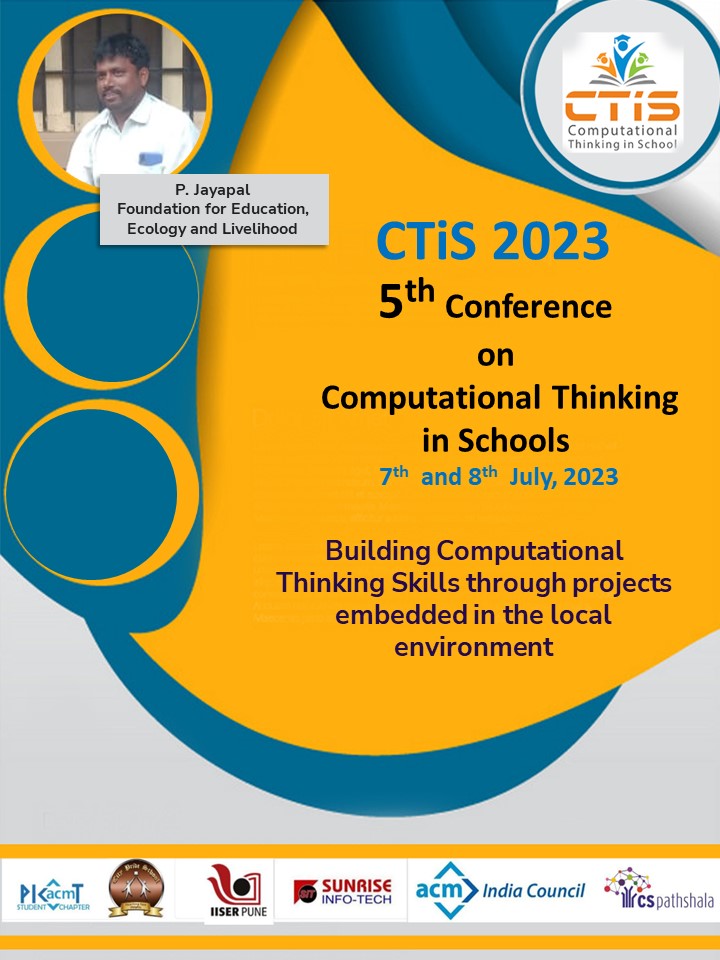
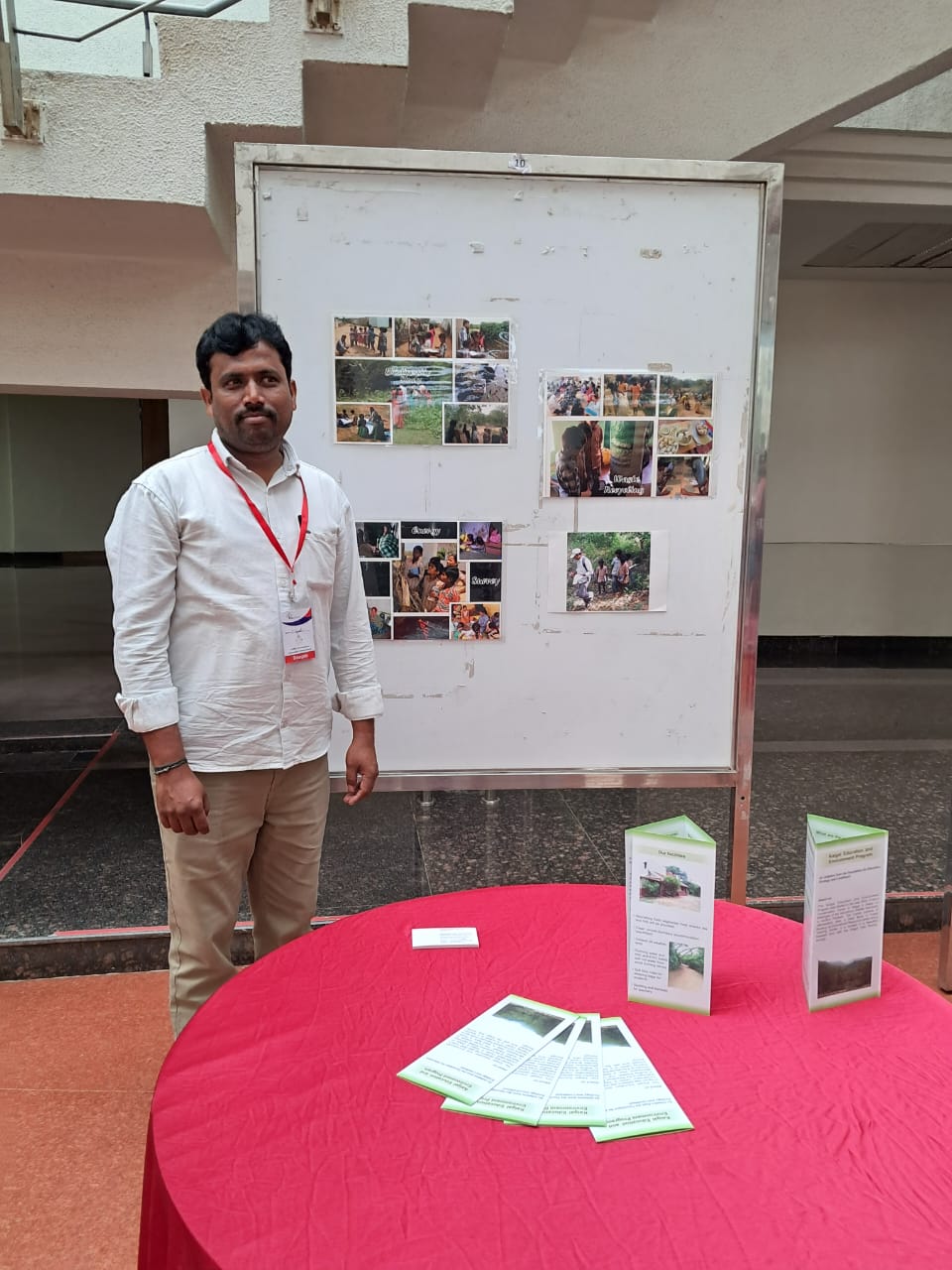
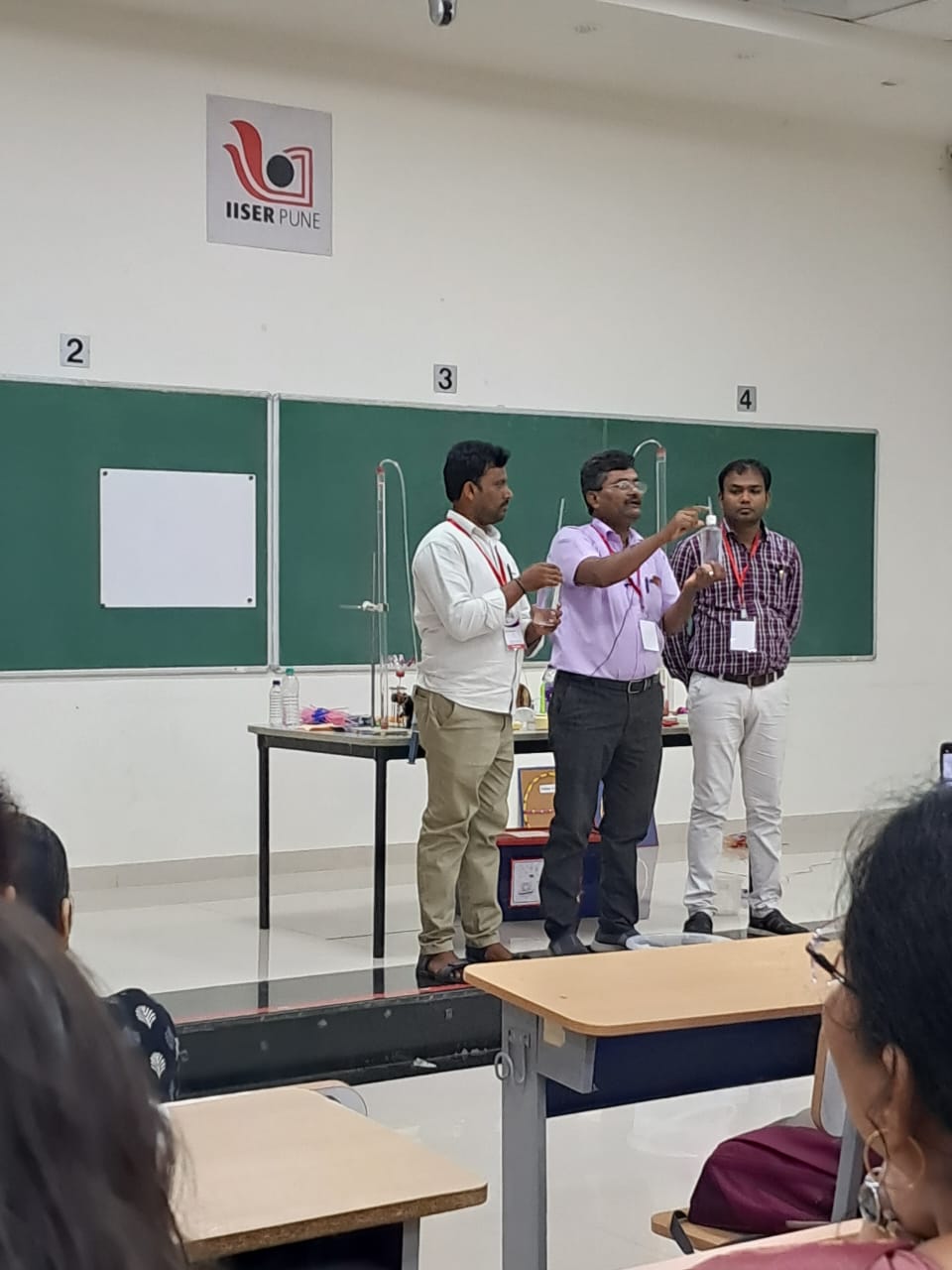
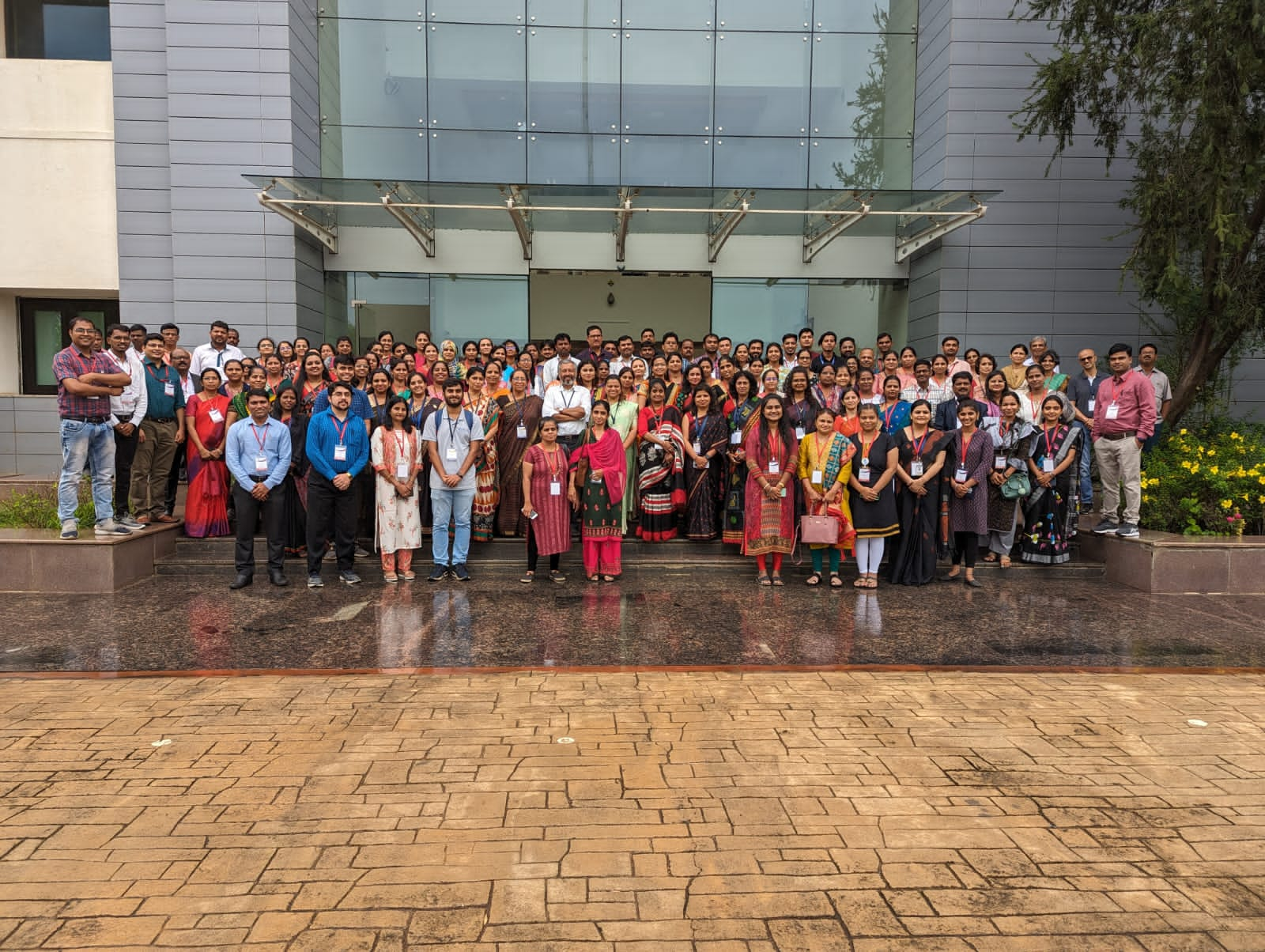

P Jayapalappa, Head Master, Sanctuary School presented on ‘Building Computational Thinking Skills through projects embedded in the local environment‘ at the 5th Conference on Computational Thinking in Schools held at Pune.
Teacher development programme at Government High School, Immadihalli
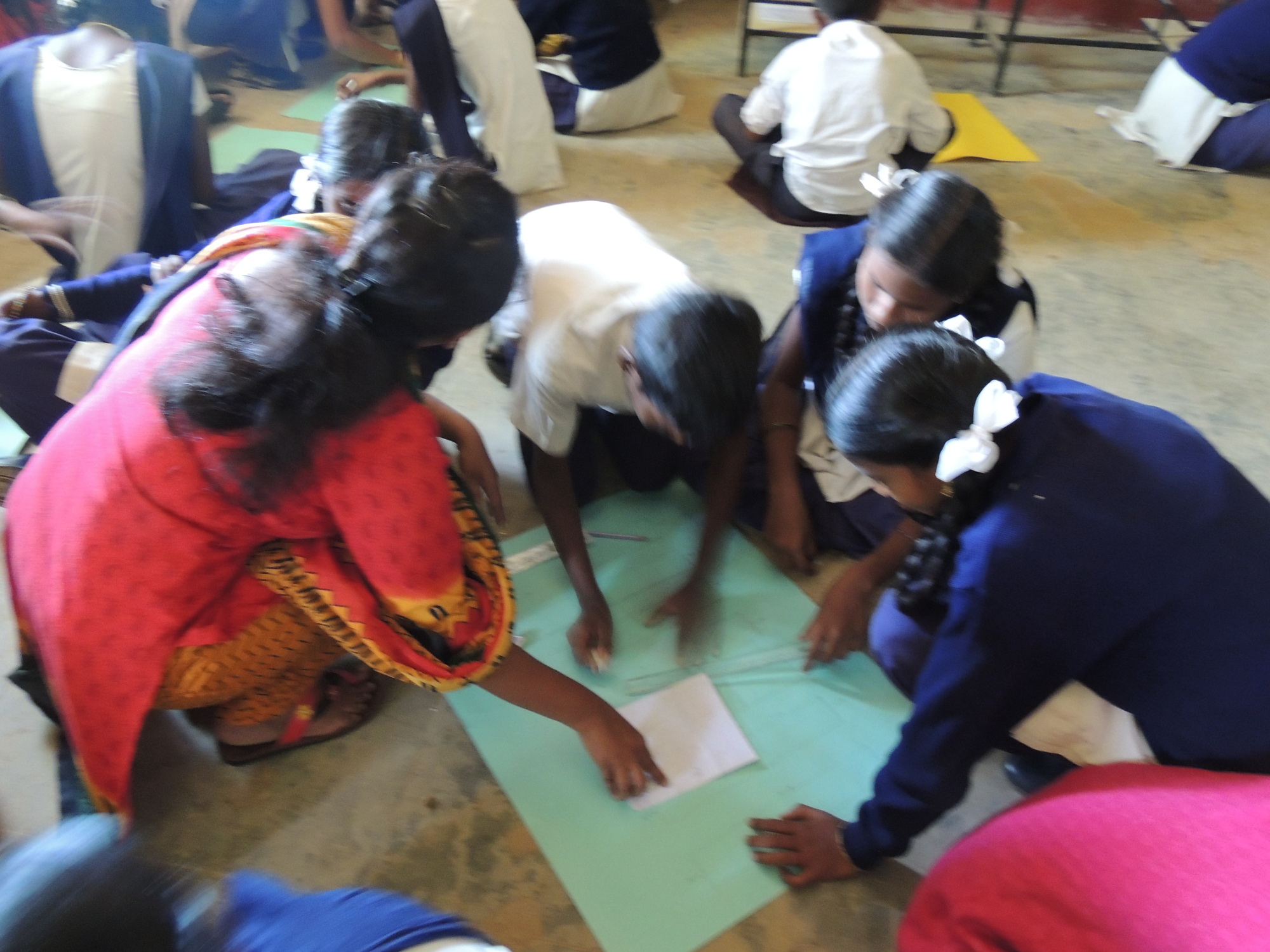
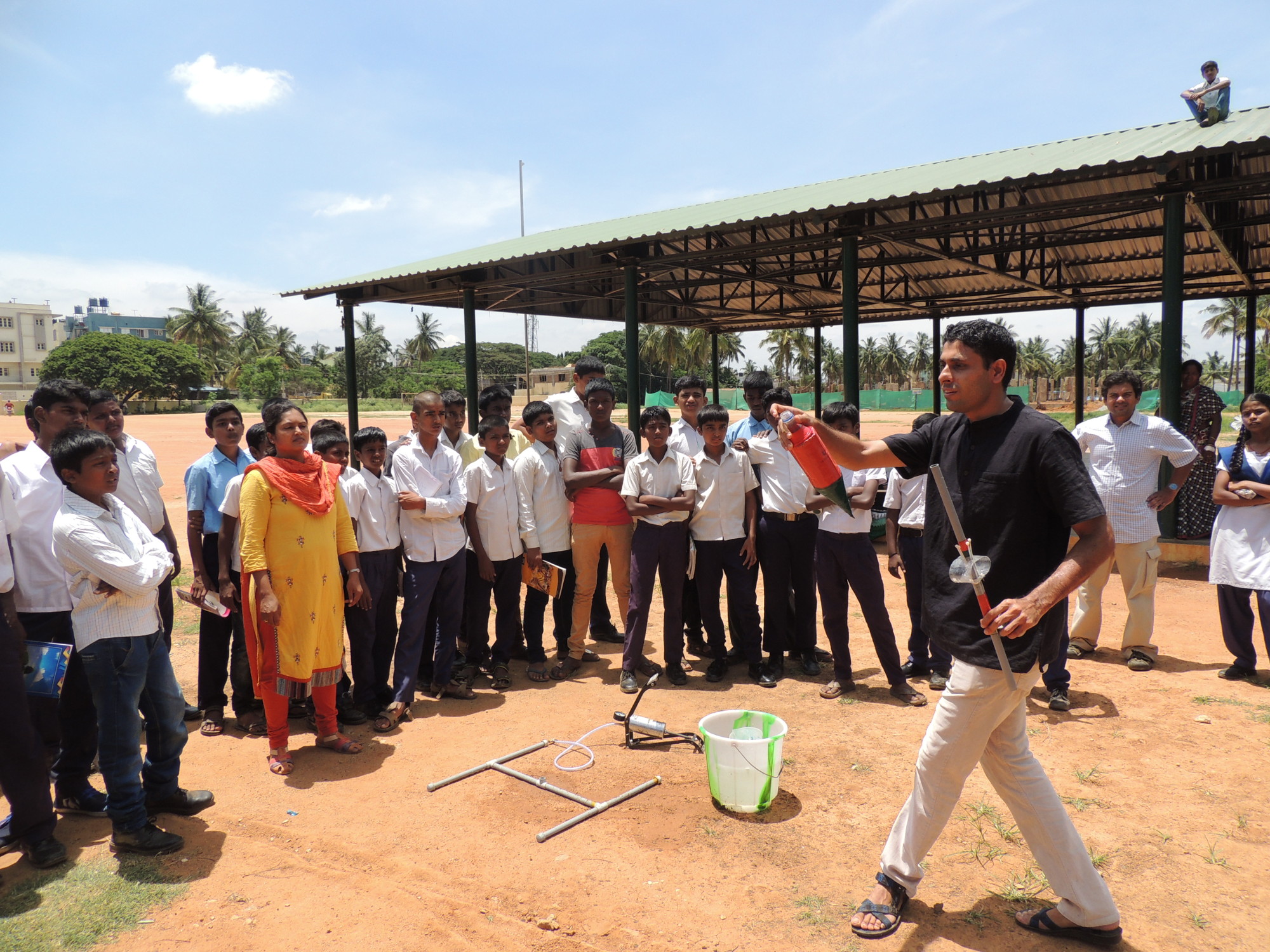
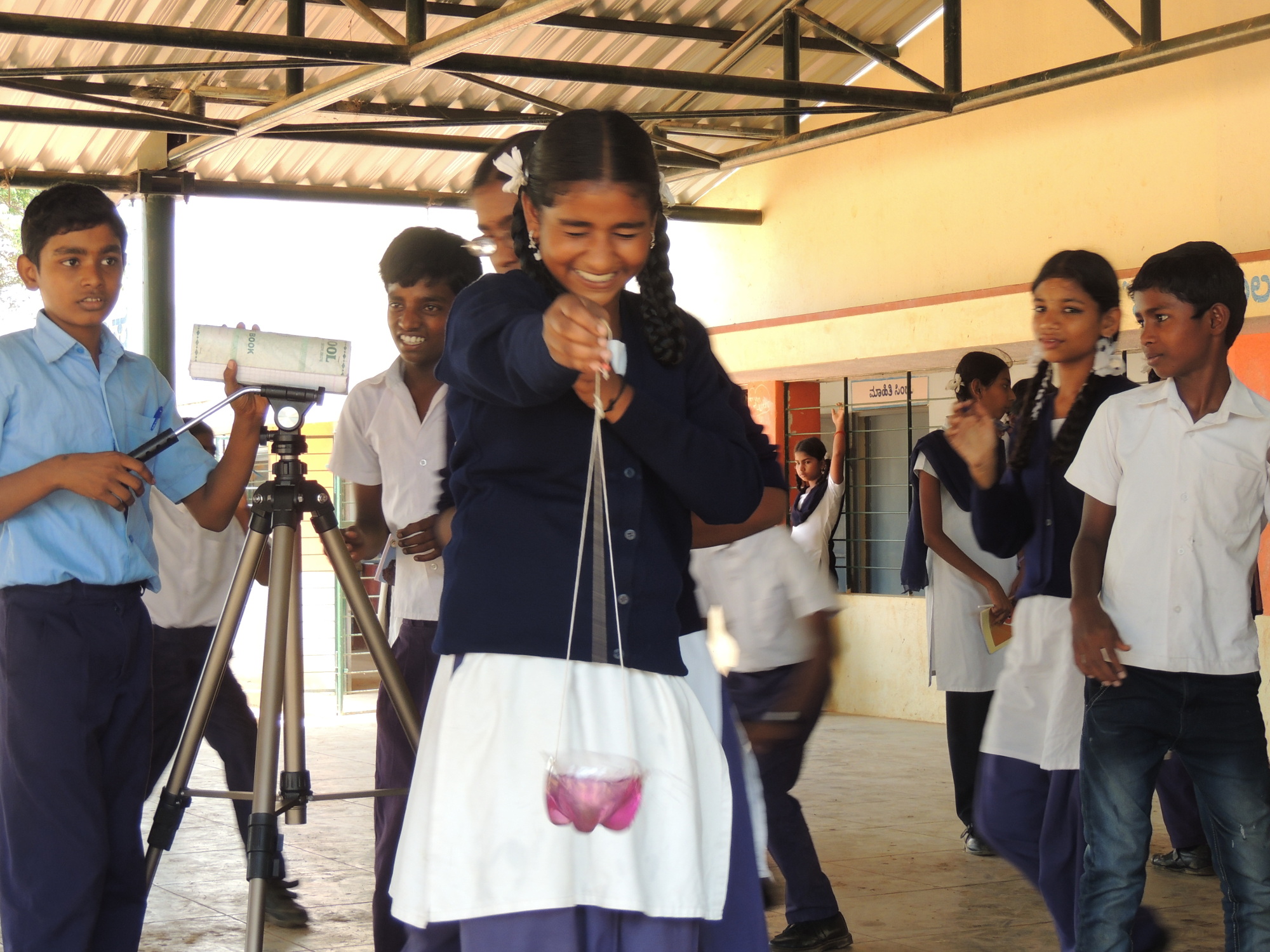
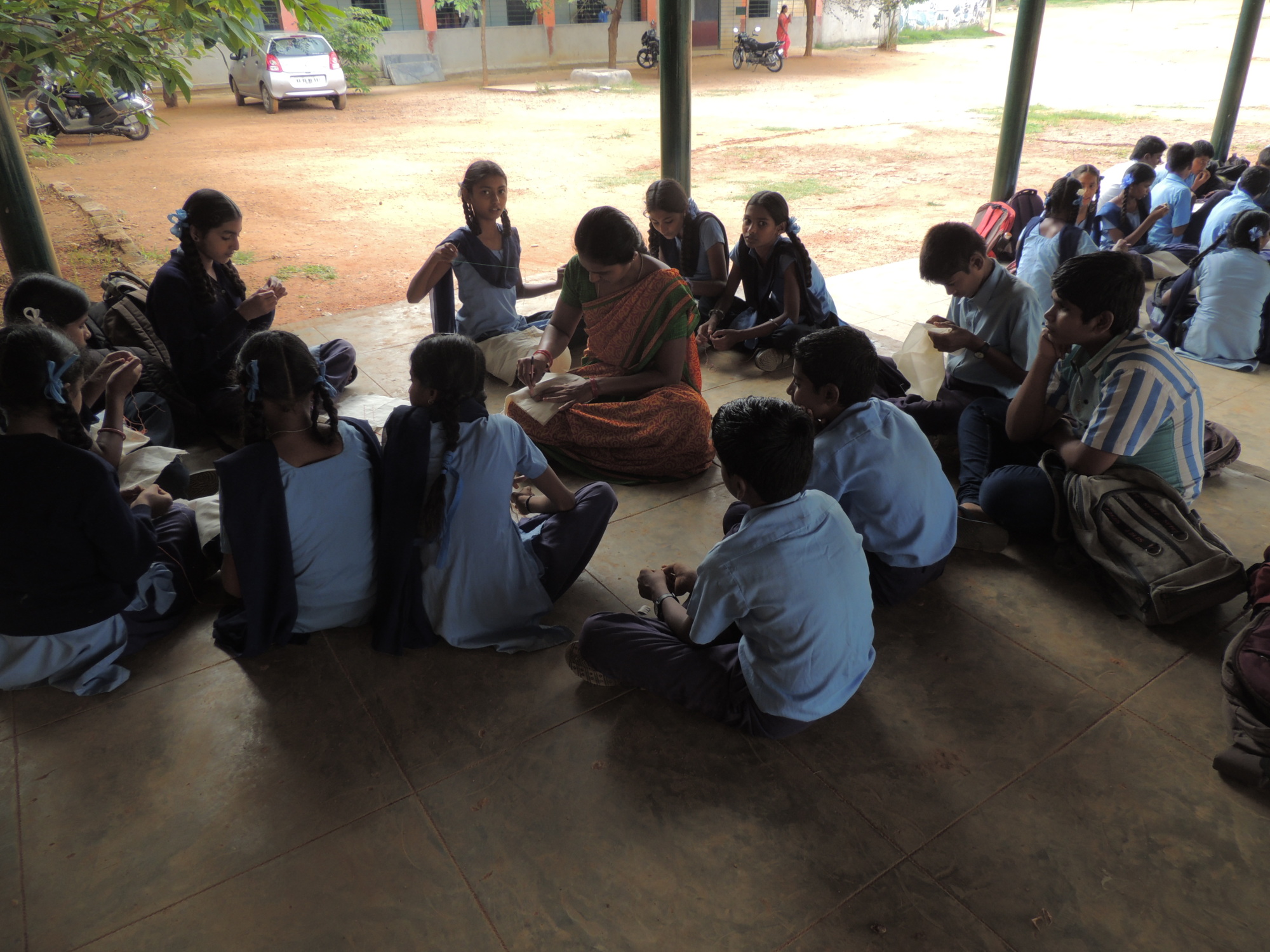
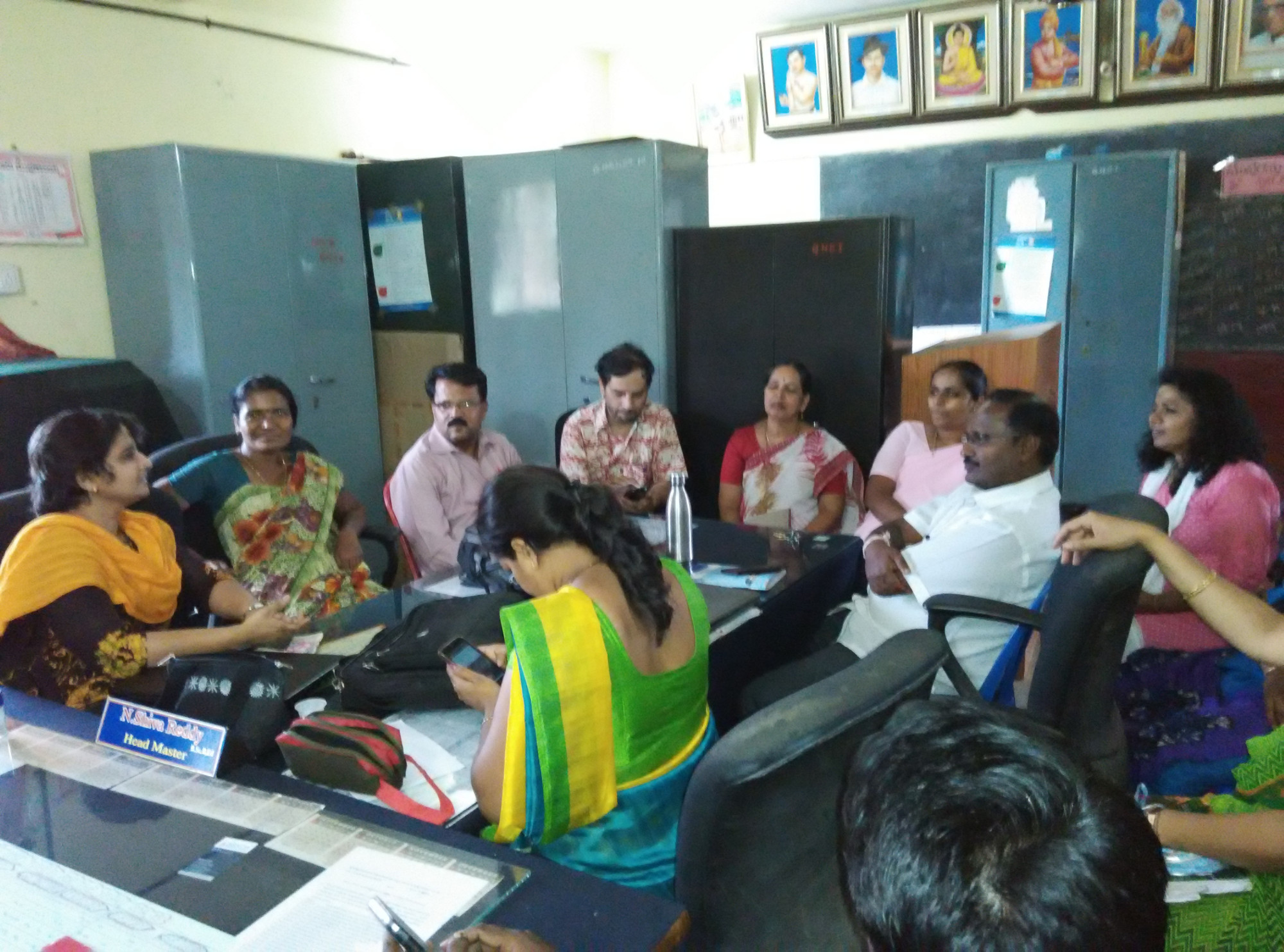
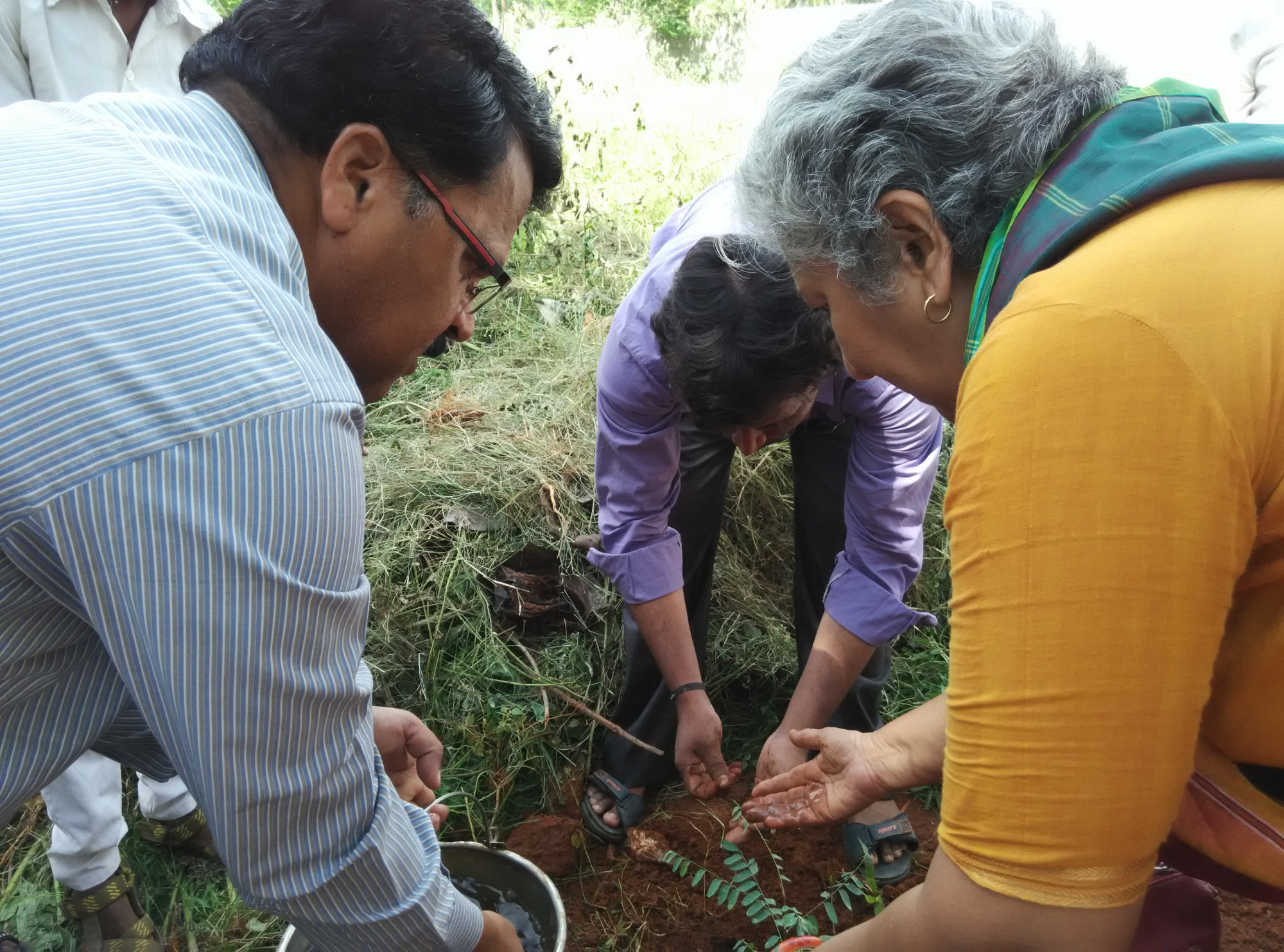
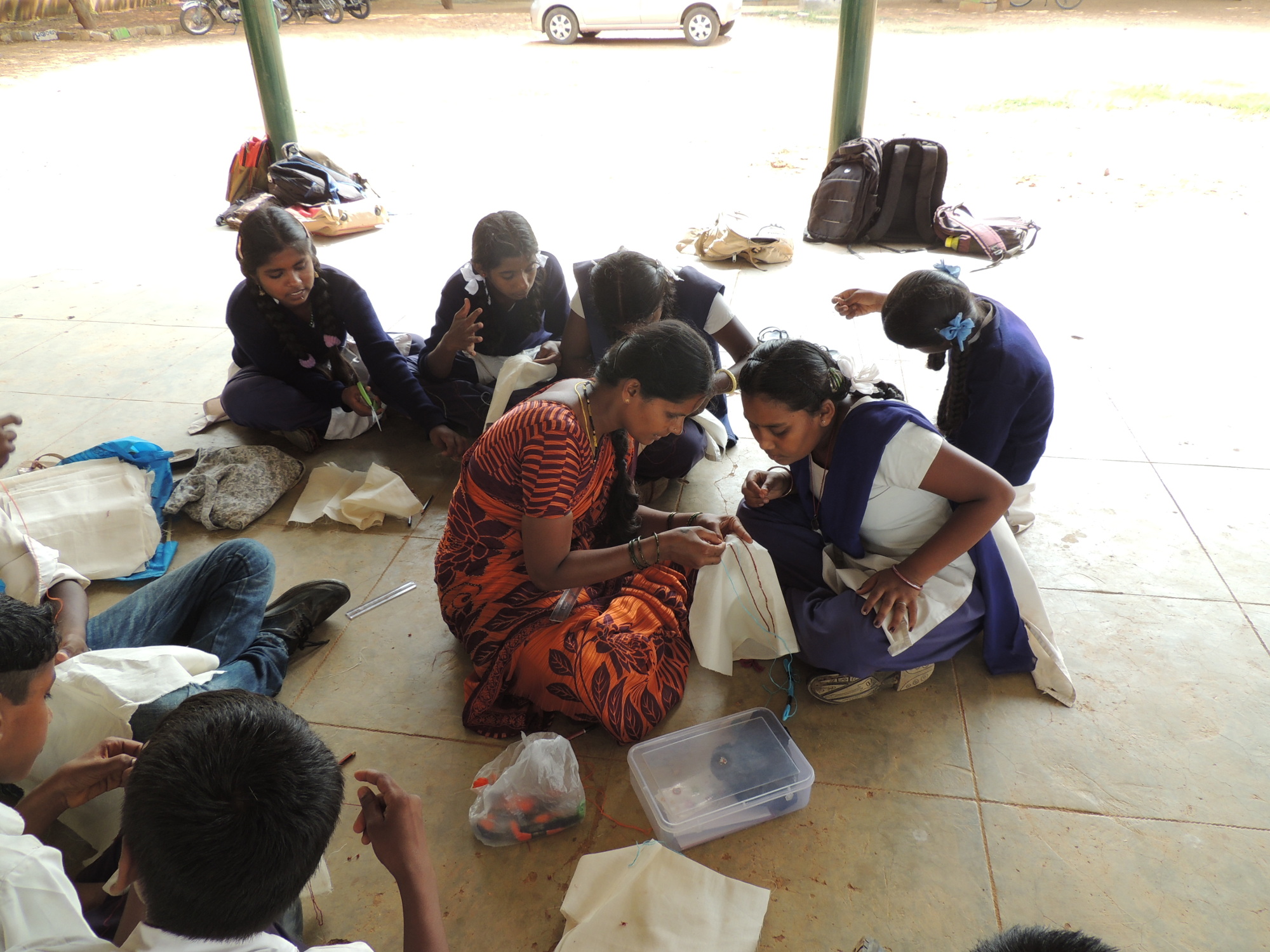
FEEL undertook a demonstration project at Government High School, Immadihalli, as part of our teacher development initiatives. The objectives of this demonstration were to sensitize teachers to methods of building inclusive classrooms, demonstrate classroom processes that allow teachers to work with students of varying learning levels and bringing in multiple curricular areas into the school including craft work and digital learning. The program was conducted for the academic year 2014-15, in collaboration with an organization called IT for Change. We worked in the classrooms with children on math and Kannada learning, on building digital literacy and conducted a craft and toy making camp. The program also included several teacher interaction sessions, individually and in groups.
Teacher Education Program of the KFI
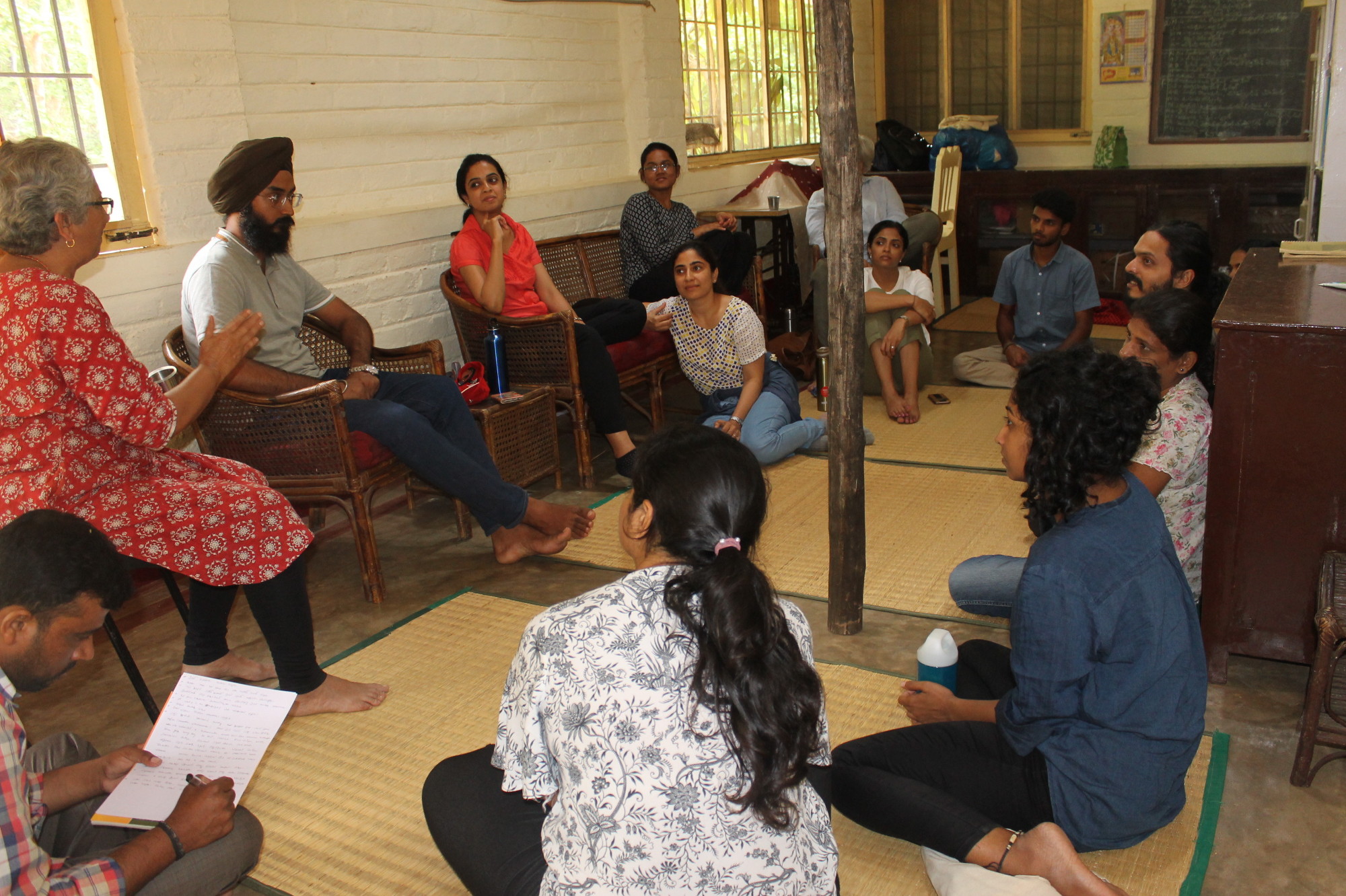
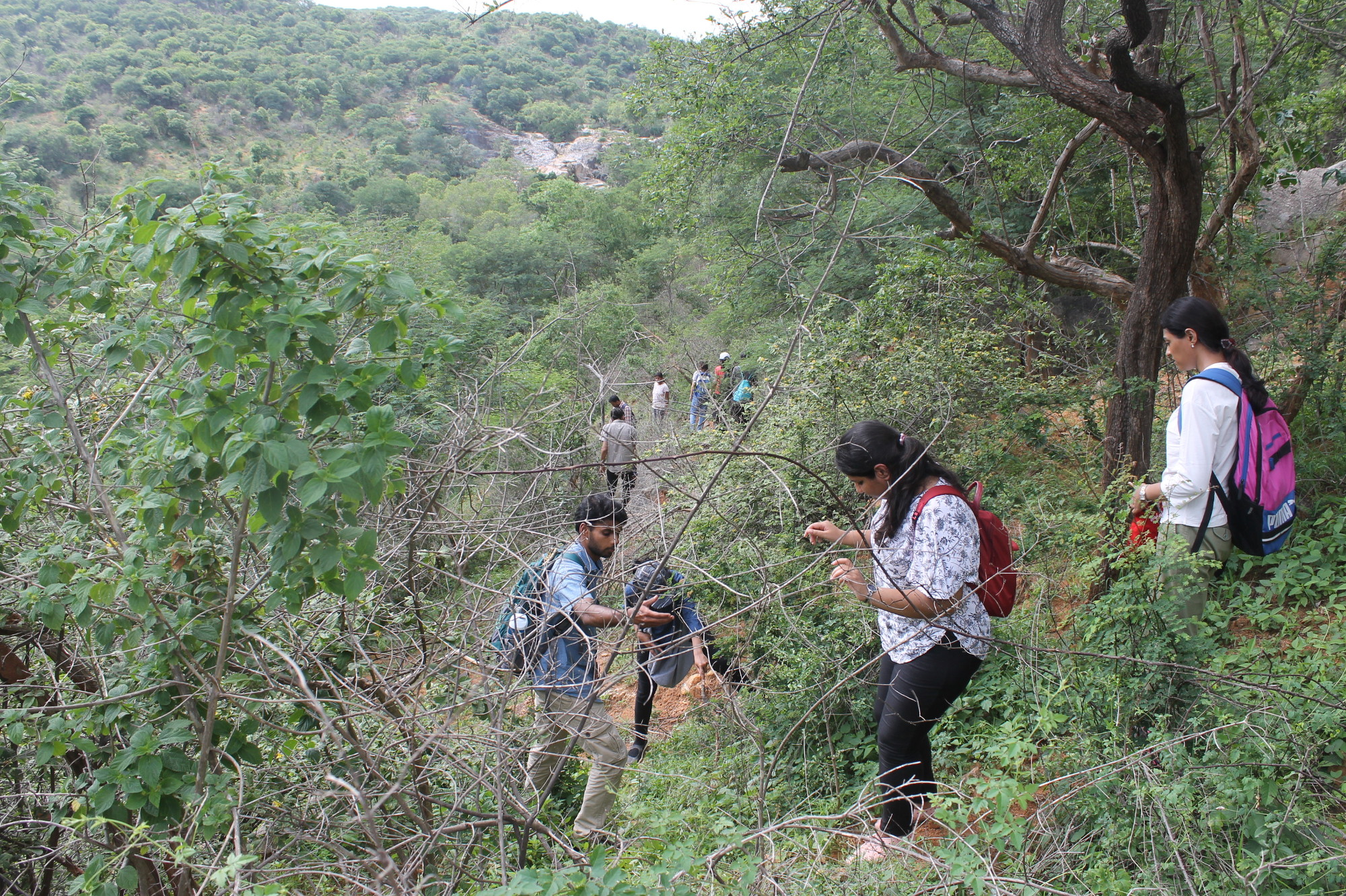
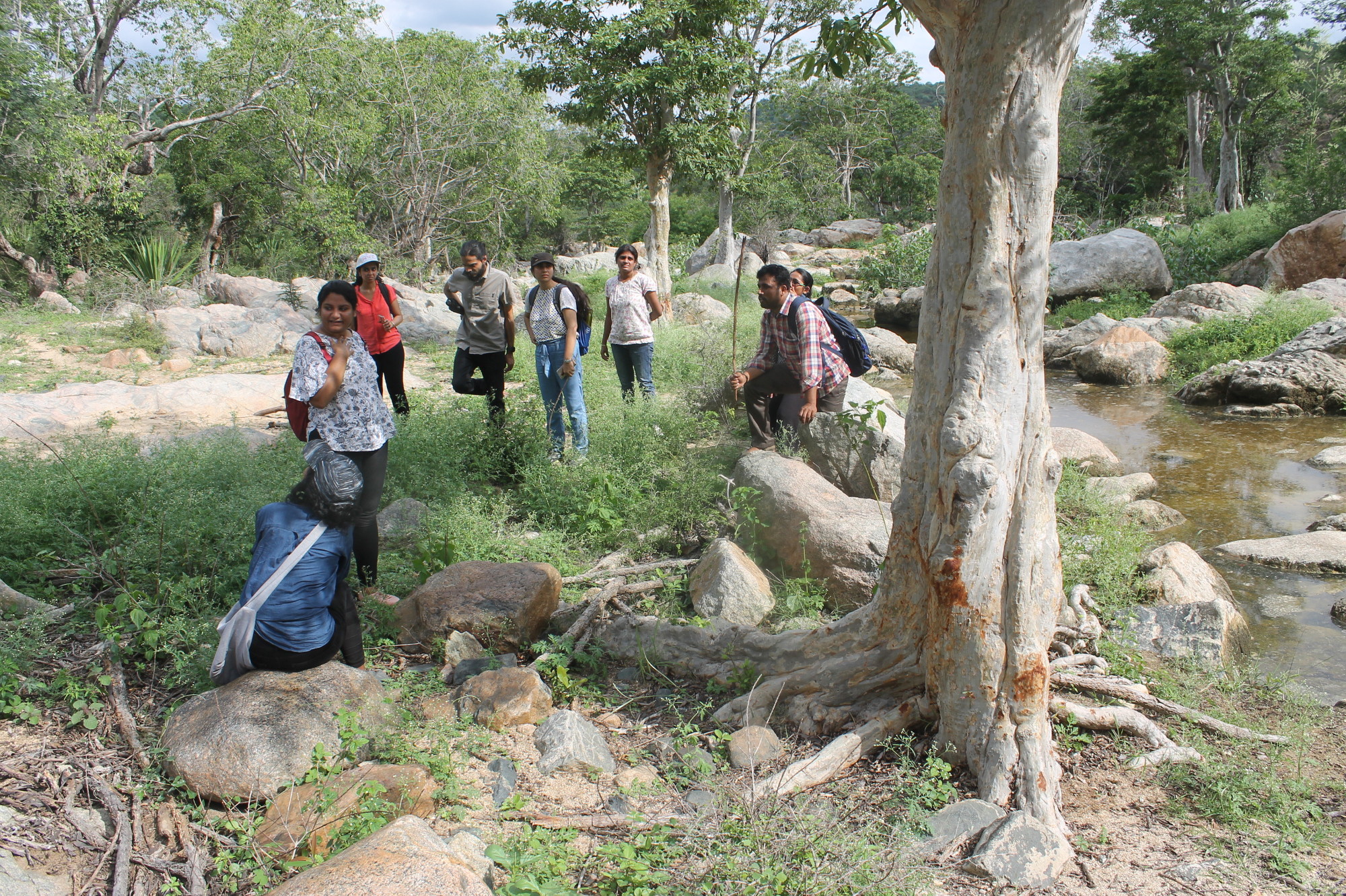
The objective of the environment education program at FEEL is to share with students, teachers and educational institutions the possibilities, challenges and strategies for a sustainable and ecologically responsible way of life. FEEL offered a 3-day program for the participants of the Teacher Education Program of the Krishnamurti Foundation India. The participants were introduced to all the dimensions of work at the Kaigal Conservation Centre – education, biodiversity conservation and capacity building for sustainable livelihoods. The activities included nature and forest walks, working on the land, interacting with our tribal schools, interacting with the local communities as well as meeting and working with the members of the livelihood enterprise. Many participants found the program to be very enriching and many felt that it allowed them to connect the educational philosophy of J Krishnamurti and programmatic interventions.
An online course for mathematics teachers from Kendriya Vidyalaya
With near universalization of elementary education, the number of students entering upper primary and secondary education from very heterogenous backgrounds is increasing. Language as well as other contextual factors are important factors that will determine the success of these students when they enter high school. Schools have to look at a variety of resources and tools for supporting the learning paths of all students so that quality education is achieved. While digital technologies are being used by many private schools for the elite students, we wanted to explore how these technologies can help teachers become more empowered as facilitators and create an inclusive learning environment. FEEL designed and conducted an online course, in partnership with IT for Change, for mathematics teachers on how to use digital tools for supporting mathematics learning.