
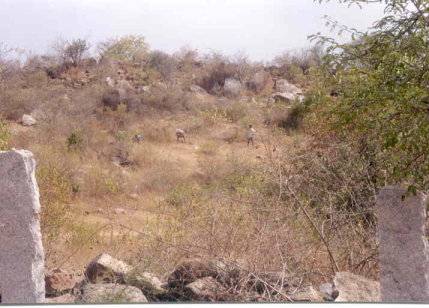
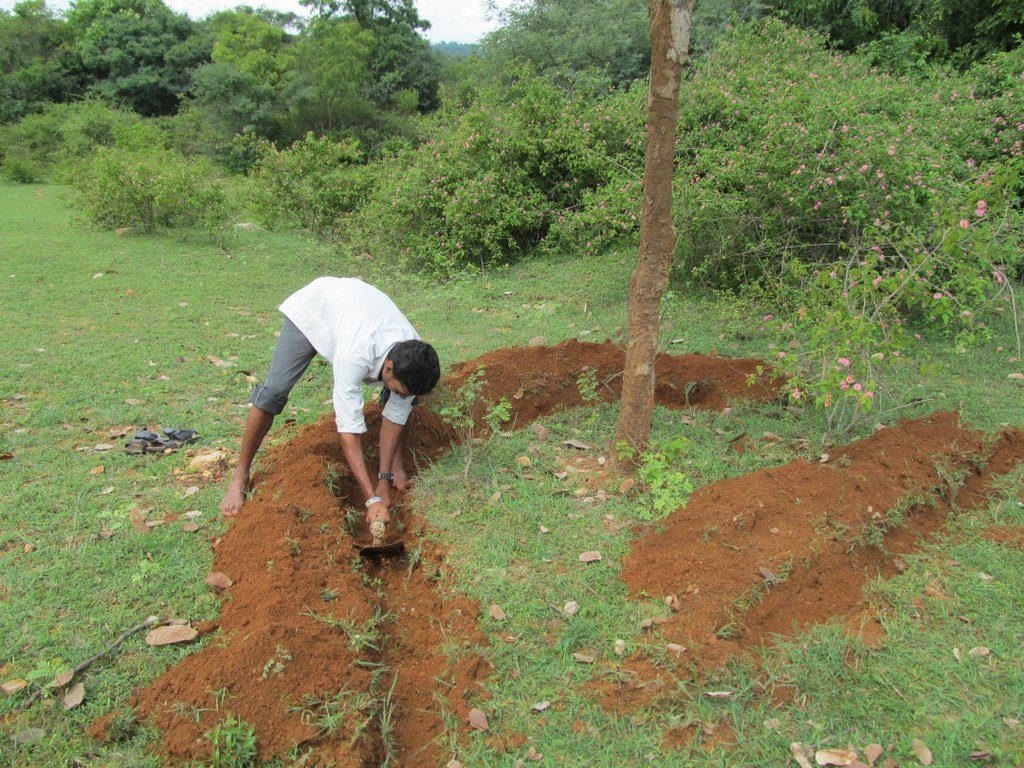
Creating a database of biodiversity in a region is often the first step in restoration of habitats. Working closely with the tribal elders, such a database was developed in 2003, about the biodiversity in the region. Using this, threatened and endangered species were identified and the program went about creating a germ plasm bank, a nursery and also took up afforestation activities.
Seed bank
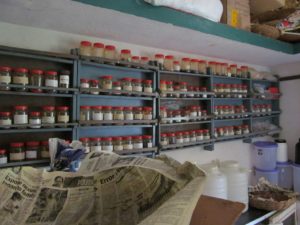
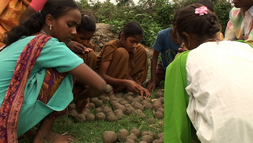
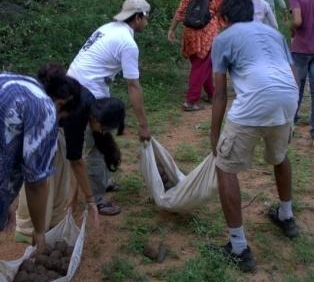
The Kaigal Centre houses a collection of germ plasm (seeds) of over 250 species of native flora in the form of seeds, tubers, suckers etc. Concerted effort has been put into regenerating medicinally important native species. These have been raised in the nursery and many have been replanted in the afforestation sites within the Centre where they have now become well established. Many of the established trees and shrubs in the reforested sites are now yielding fruits and seeds – the first step towards a sustainable germ-plasm conservation effort.
Forest nursery
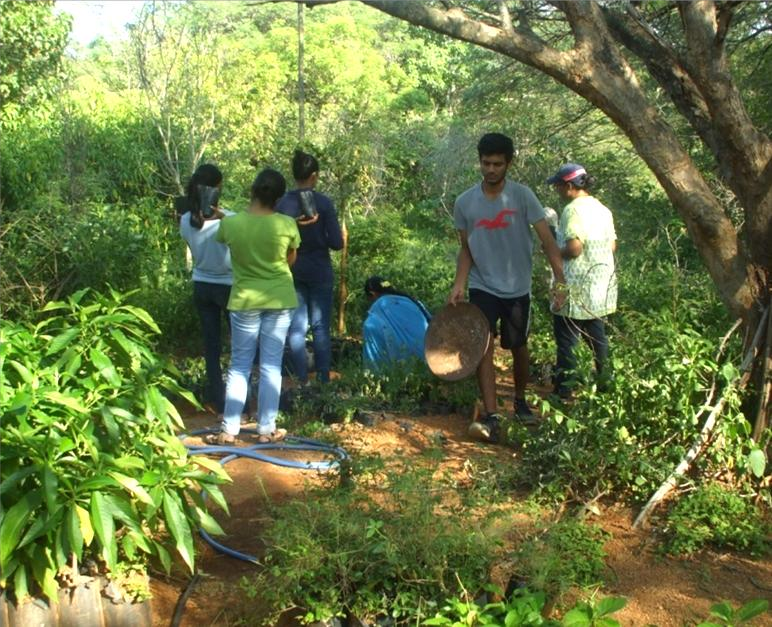
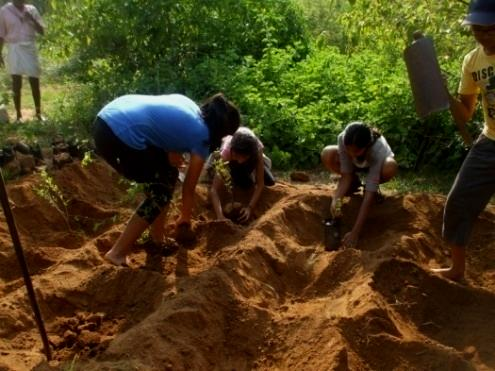
The forest nursery focuses on research in regeneration techniques for a variety of native plants – raising healthy saplings for transplantation in their natural habitat. The nursery is about 6000 sq. ft. in area and has a 50% shade cover as well as tree cover for young seedlings and new seed beds. Nursery techniques have been established for approximately a hundred species of plants. At least two hundred species of plants have been raised at the nursery and used for afforestation efforts in the common land and tribal villages. Regeneration techniques and successful transplantation methods have been established for all the herbal plants and tree species that have been raised in the nursery. Many local people and students have been trained in both preservation of seeds and in raising and maintaining nurseries. Saplings are distributed to interested individuals and institutions. They have been widely used for land restoration, water conservation and afforestation work. The saplings and seeds are then dispersed in the wild for afforestation.
Herb garden of medicinal plants
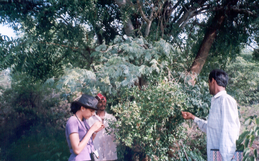
Using local traditional lore as well as information obtained from institutions specializing in traditional medicines the herb garden was set up. This garden has been replicated in many places by the students from the Sanctuary Schools and the women and youth from the tribal communities. They have established herb gardens in their schools and homes, on private land and in tribal villages.